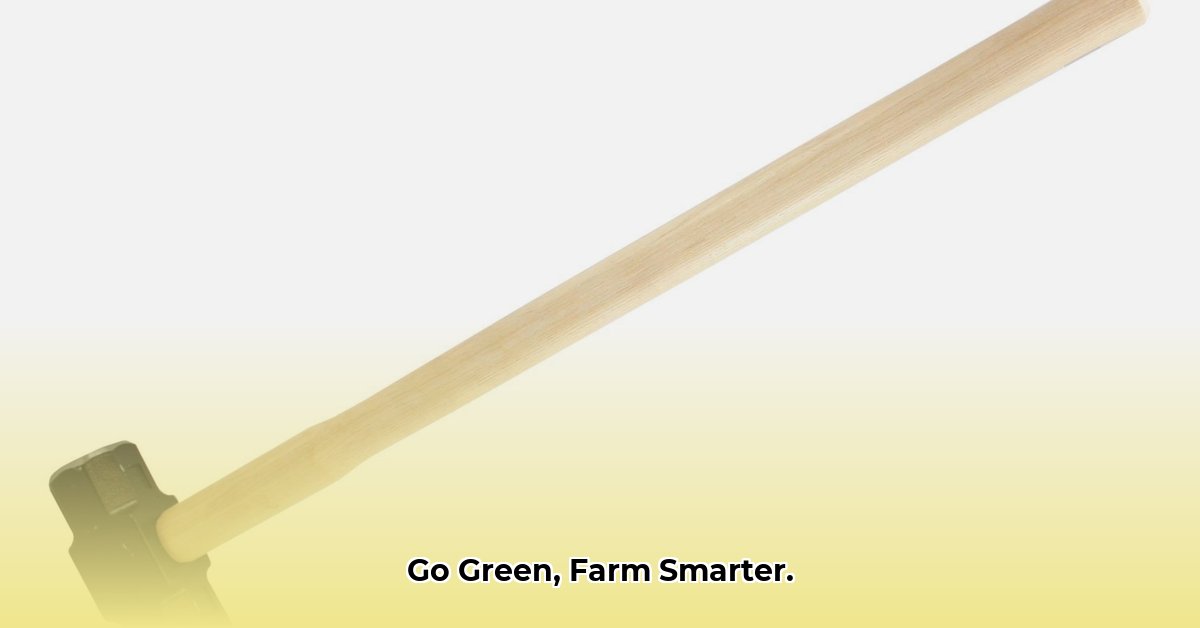
Choosing the right tools is paramount for efficient and sustainable farming. While often overlooked, even a simple sledgehammer's environmental impact can be significant. This article examines two sledgehammers from Tractor Supply—the GroundWork and the Intertool—to determine which offers a more sustainable option for environmentally conscious farmers. We’ll explore the critical factors in sustainable tool selection, highlighting the need for greater transparency from manufacturers and outlining actionable steps for all stakeholders. For more on sustainable farming practices, check out this helpful resource on greenhouse options.
Sledgehammer Selection: Beyond Performance
The ideal farming tool isn't just about effectiveness; it’s about minimizing its environmental footprint throughout its entire life cycle. This requires a holistic approach, considering factors beyond immediate utility. Let's compare two sledgehammers readily available at Tractor Supply, focusing on their sustainability.
Comparing Tractor Supply's GroundWork and Intertool Sledgehammers
We'll focus on two models: the GroundWork and the Intertool sledgehammers. Both are designed for heavy-duty farm work but differ significantly in available information. The GroundWork features a fiberglass handle, offering a lighter weight and potentially reduced user fatigue. However, the Intertool sledgehammer's handle material remains undisclosed, hindering a comprehensive environmental assessment. This lack of transparency is a major concern. Isn't knowing the exact composition of the tool a critical factor in evaluating its sustainability?
Sustainability: A Lifecycle Perspective
True sustainability involves assessing the entire life cycle of a product, from raw material extraction to final disposal. The GroundWork hammer, with its fiberglass handle, presents a complex case. While fiberglass offers potential advantages over steel in some aspects, its manufacturing process has environmental drawbacks. A thorough Life Cycle Assessment (LCA) (a standardized method for evaluating the environmental impacts of a product from cradle to grave) is needed to fully understand its impact. The absence of information on the Intertool hammer's materials makes any comparison impossible, however. This lack of transparency underscores a broader challenge in the agricultural tools industry; manufacturers need to be more forthcoming about the materials and processes involved in their products.
Understanding Life Cycle Assessments (LCA)
A Life Cycle Assessment (LCA) comprehensively evaluates a product's environmental effects across its entire lifecycle. This includes:
- Raw Material Acquisition: The environmental impact of mining or harvesting materials (e.g., steel, fiberglass, wood). Are recycled materials used? What is the energy consumption associated with these processes?
- Manufacturing: Energy consumption, greenhouse gas emissions, and other pollutants released during production.
- Transportation: The carbon footprint associated with shipping the tool from factory to retailer to farm.
- Use and Maintenance: The tool's lifespan, repair requirements, and associated energy and material consumption.
- End-of-Life Management: The tool's recyclability and disposal methods. Will it end up in a landfill, or can its components be reused or recycled?
Without a complete LCA for both sledgehammers, a truly informed comparison is unattainable. The Intertool sledgehammer's lack of material information particularly hinders a comprehensive assessment.
Actionable Steps: A Collaborative Approach
The data gaps highlighted above underscore a need for collective action. All stakeholders—farmers, manufacturers, retailers, and policymakers—have critical roles to play:
- Farmers: Demand transparency from manufacturers. Look for detailed information on material composition and manufacturing methods. Prioritize durability and repairability to minimize waste. Support manufacturers committed to sustainability.
- Manufacturers: Conduct and publicly share comprehensive LCAs for your products. Use recycled and sustainably sourced materials whenever possible. Embrace transparency in your supply chains.
- Retailers (like Tractor Supply): Promote tools with strong sustainability credentials. Provide clear information to consumers regarding the environmental impact of different products. Partner with manufacturers committed to sustainability.
- Policy Makers: Create incentives for greener manufacturing practices. Support research into sustainable materials and manufacturing techniques. Implement regulations mandating transparency in material sourcing and end-of-life management.
Risk Assessment: A Summary
The following table summarizes the potential risks associated with the different sledgehammer options:
| Factor | Risk Category | Likelihood | Impact | Mitigation |
|---|---|---|---|---|
| Steel Sledgehammer Head | Resource Depletion | Medium | Medium | Use recycled steel; explore alternative, durable materials |
| Fiberglass Handle | Manufacturing Emissions | Medium | Medium | Source sustainably produced fiberglass; optimize manufacturing processes |
| Unspecified Handle (Intertool) | Unknown Environmental Impact | High | High | Avoid until full material disclosure is available. |
| Tool Lifespan | Waste Generation | Low | Low | Proper maintenance and repair; design for durability & repairability |
By demanding transparency and prioritizing sustainable practices, farmers can make informed purchasing decisions. The future of sustainable agriculture depends on these choices. Continued research into sustainable materials and manufacturing techniques offers the potential for even more significant progress.
Choosing Sustainable Sledgehammers: A Practical Guide
Selecting sustainable tools requires a comprehensive approach. Durability, material composition, and lifecycle considerations are all critical.
Environmental Impact: Beyond Simple Materials
Sustainability goes beyond the materials used. The manufacturing process, transportation, lifespan, and disposal methods all contribute to the overall environmental footprint.
Material Considerations: A Comparative Overview
Material choice is crucial. Fiberglass offers a lightweight, shock-absorbing alternative to traditional wood, but its manufacturing process isn't without environmental consequences. Steel, while offering exceptional durability, is energy-intensive to produce. Wood presents its own challenges, including sourcing and deforestation concerns. Understanding these trade-offs allows for more informed decisions.
Matching Hammer Weight to Application
Choosing the right weight for the job minimizes unnecessary force and effort, extending tool lifespan. A heavier hammer is needed for demanding tasks, while lighter ones are perfect for smaller jobs.
Addressing LCA Data Gaps: A Call for Transparency
Comprehensive LCA data remains scarce, hindering informed decision-making. Manufacturers must be more transparent about their production processes and material sourcing.
Actionable Steps for Sustainable Sledgehammer Selection
This action plan provides clear steps for all stakeholders:
- Farmers: Invest in high-quality, durable tools that minimize waste and reduce replacement needs. Choose the right weight for specific tasks. Maintain tools properly. Recycle responsibly when tools reach their end of life.
- Manufacturers: Publicly share detailed LCAs. Explore and employ recycled and sustainable materials. Design tools for maximum lifespan, and improve repairability.
- Retailers: Prioritize sustainable products and provide transparent information to buyers. Partner with eco-conscious manufacturers.
- Policymakers: Implement incentives for sustainable manufacturing practices. Support research and development of eco-friendly materials and promote responsible disposal methods.
Key Considerations:
- Prioritize durability for reduced waste.
- Choose the appropriate weight for the task.
- Proper maintenance extends lifespan.
- Proper disposal is crucial.
- Demand transparency from manufacturers concerning materials and processes.
The path to sustainable agriculture requires conscious choices at all levels. The seemingly simple sledgehammer serves as a powerful example of the importance of making informed decisions. By demanding greater transparency and prioritizing sustainable practices, we can collectively build a more responsible and efficient agricultural system.